Tower Hamlets has a long history of supporting the arts. This maybe due to its reputation as a borough being home to one of the largest populations of artists and creatives in Europe. Whether this status is still true is questionable. Living in the borough has become beyond the financial reach of most people – The new developments have attracted remote residents with deep pockets or stand tall and empty as vanity investments.
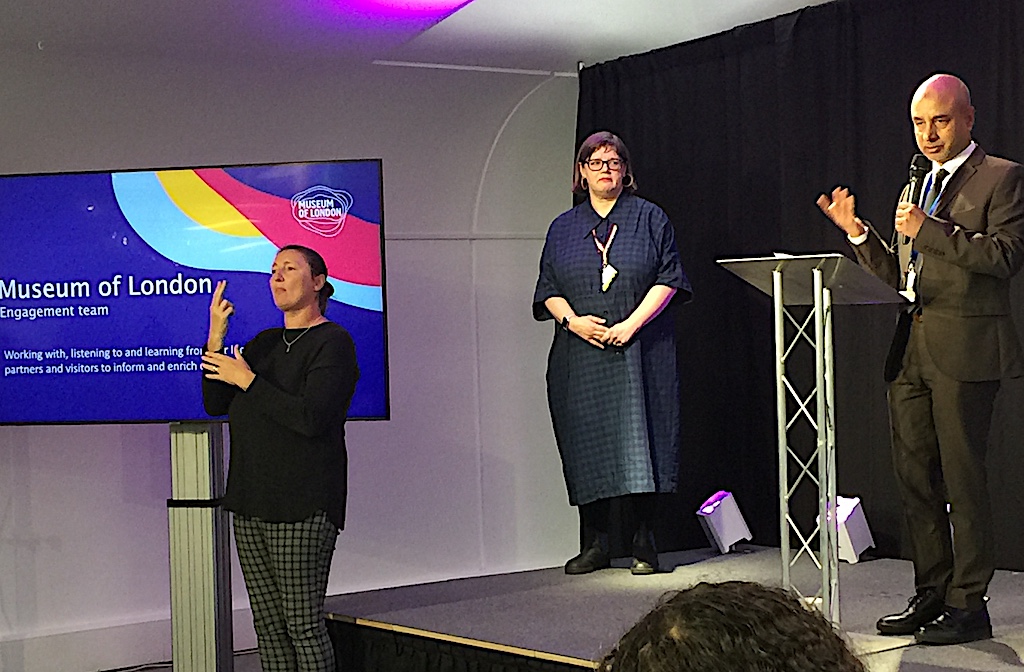
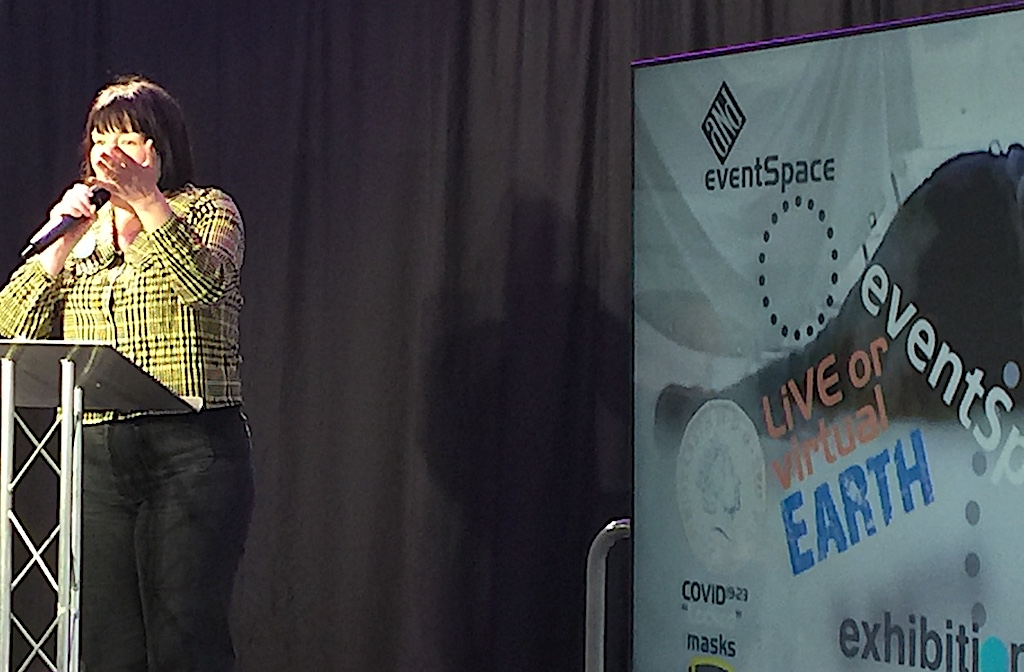
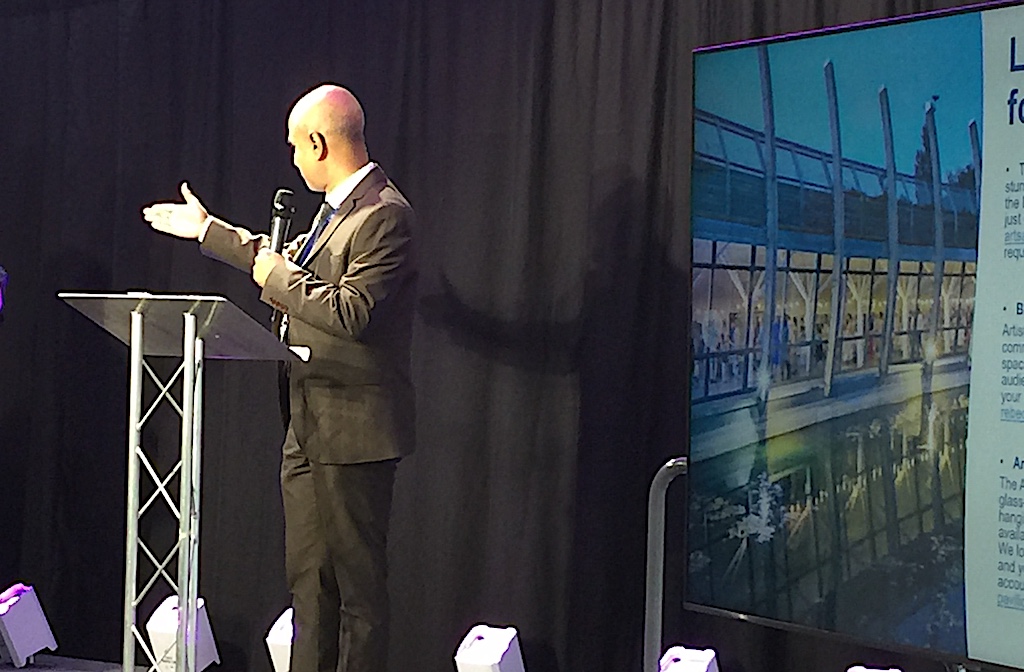
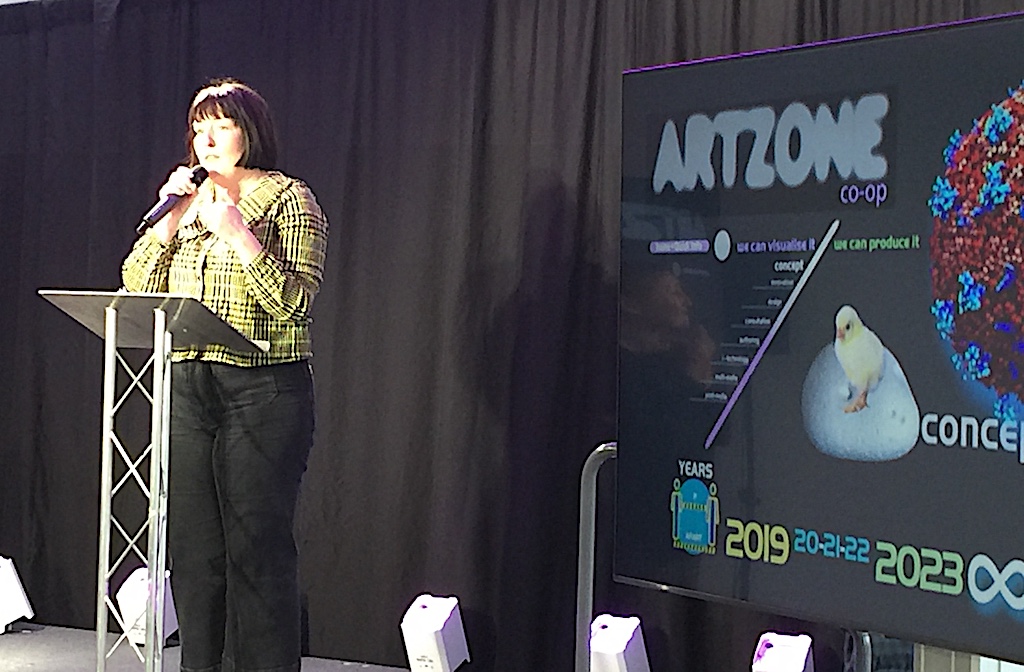
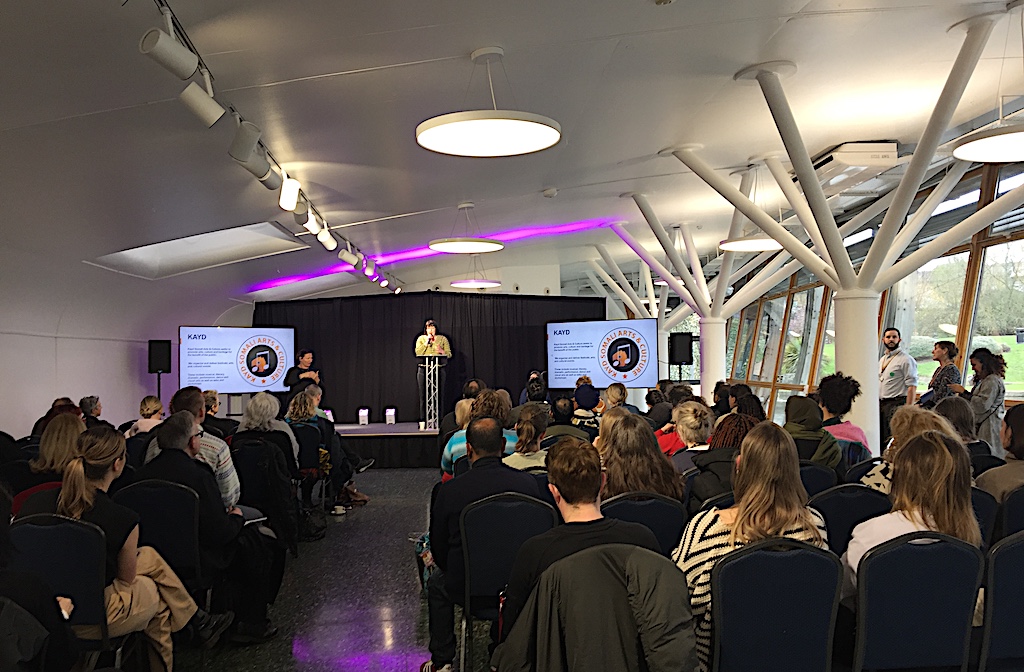
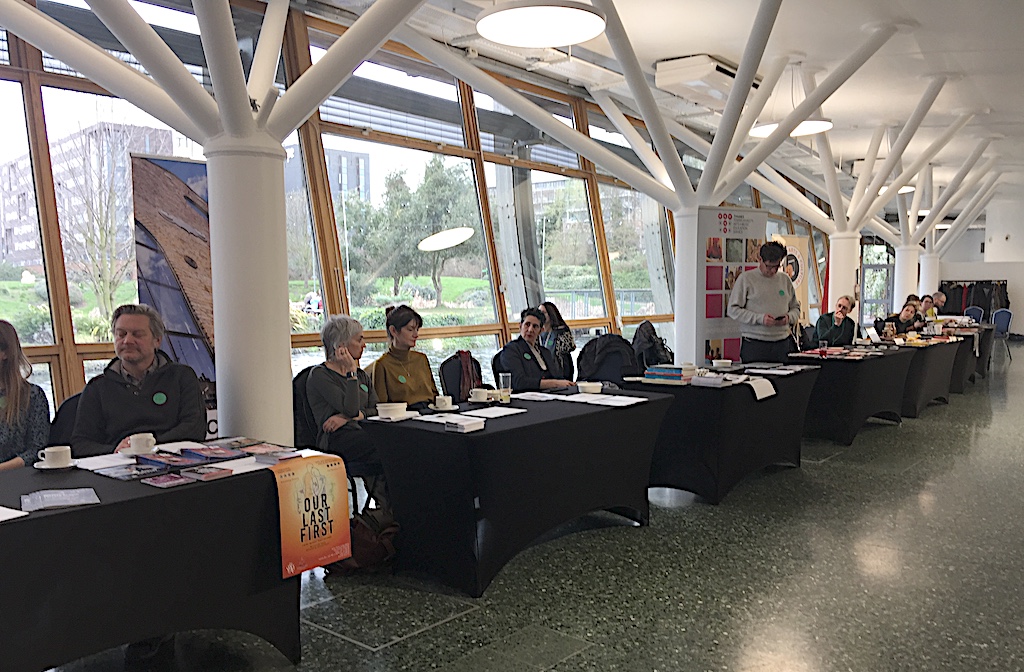
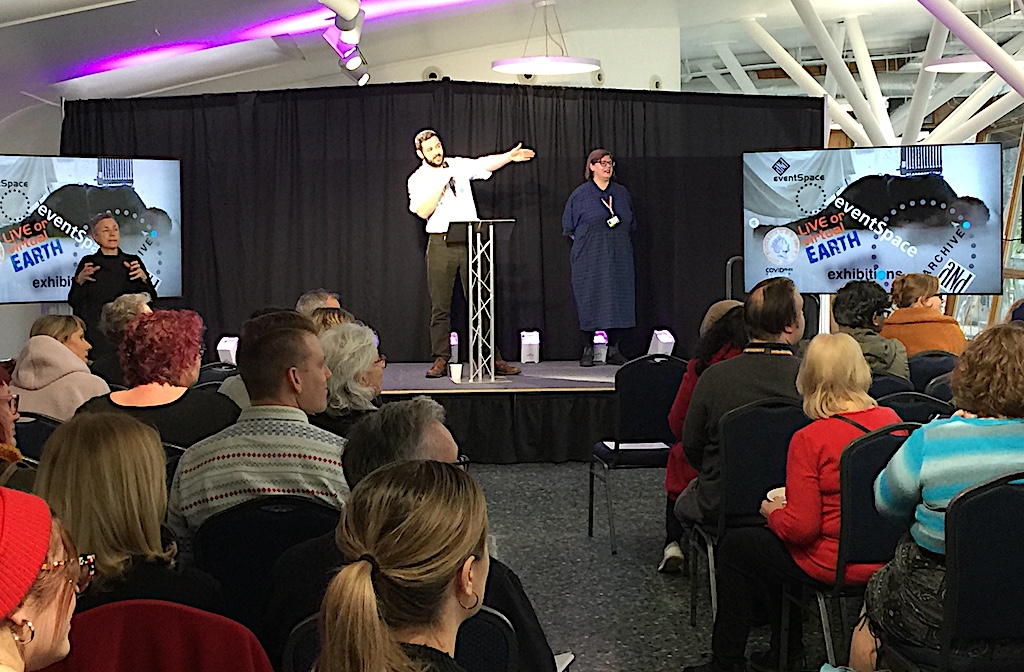
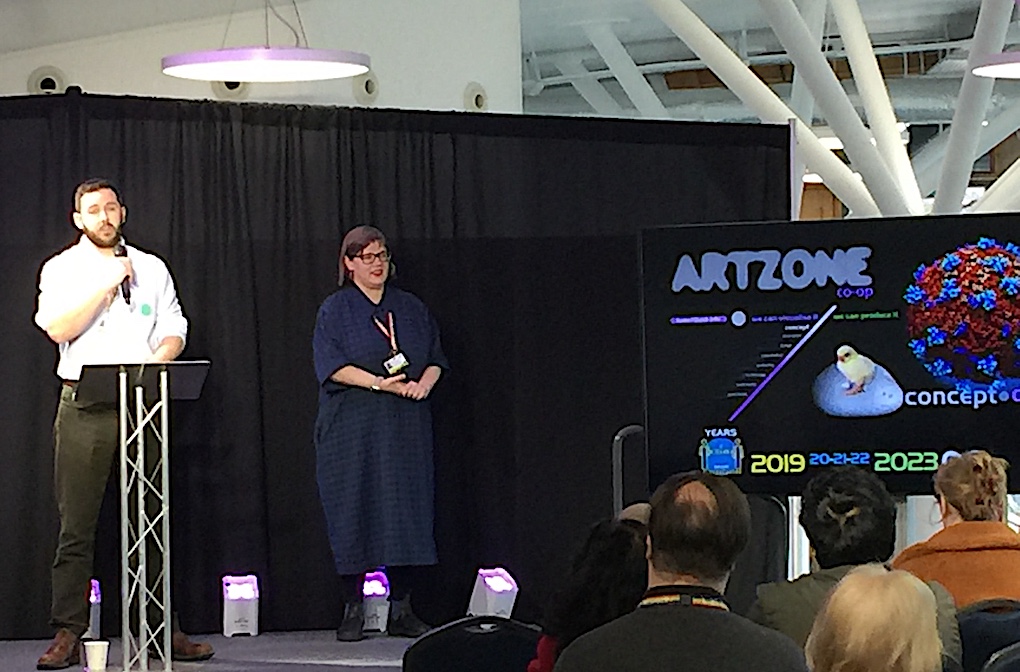
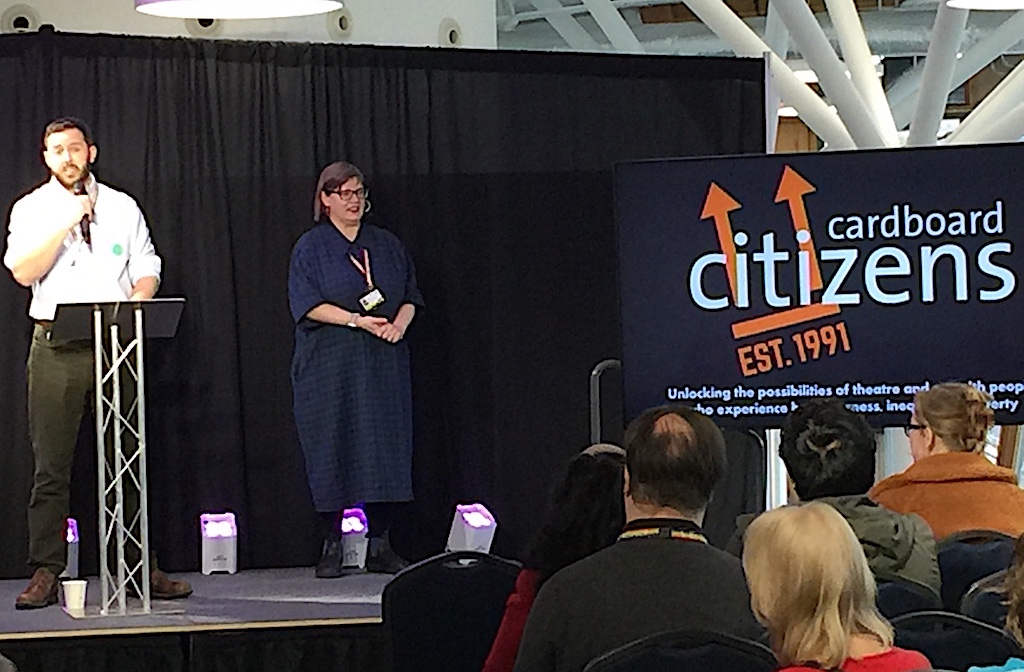
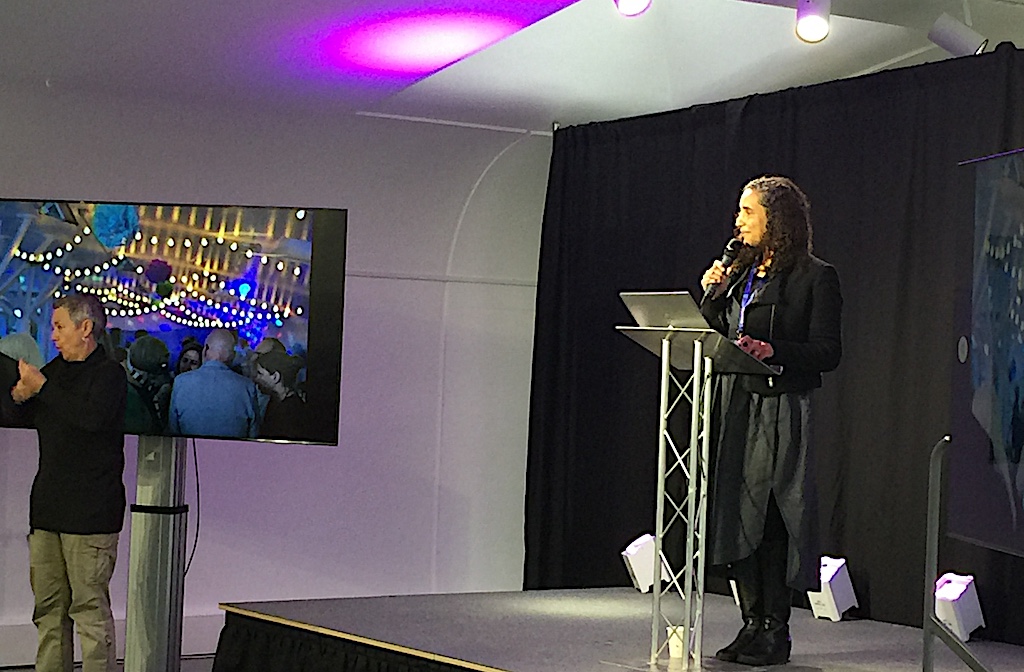
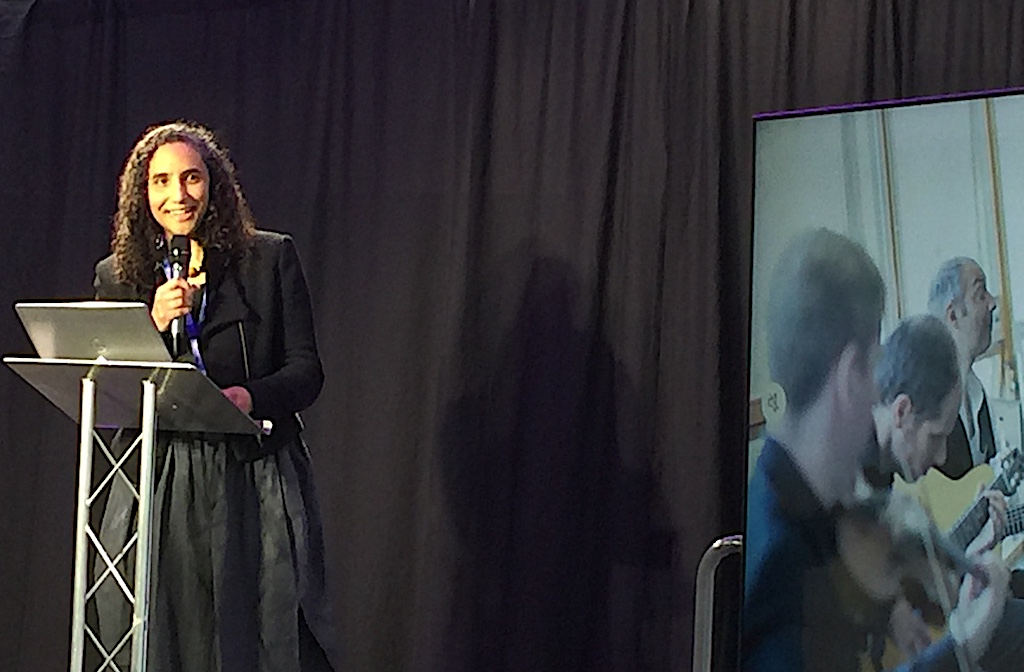
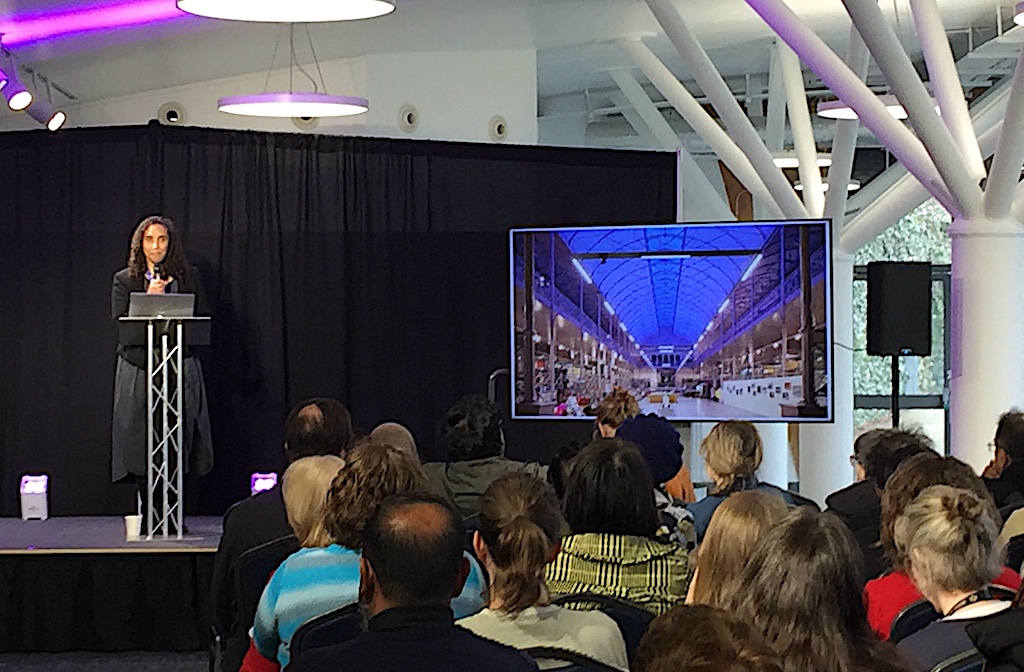
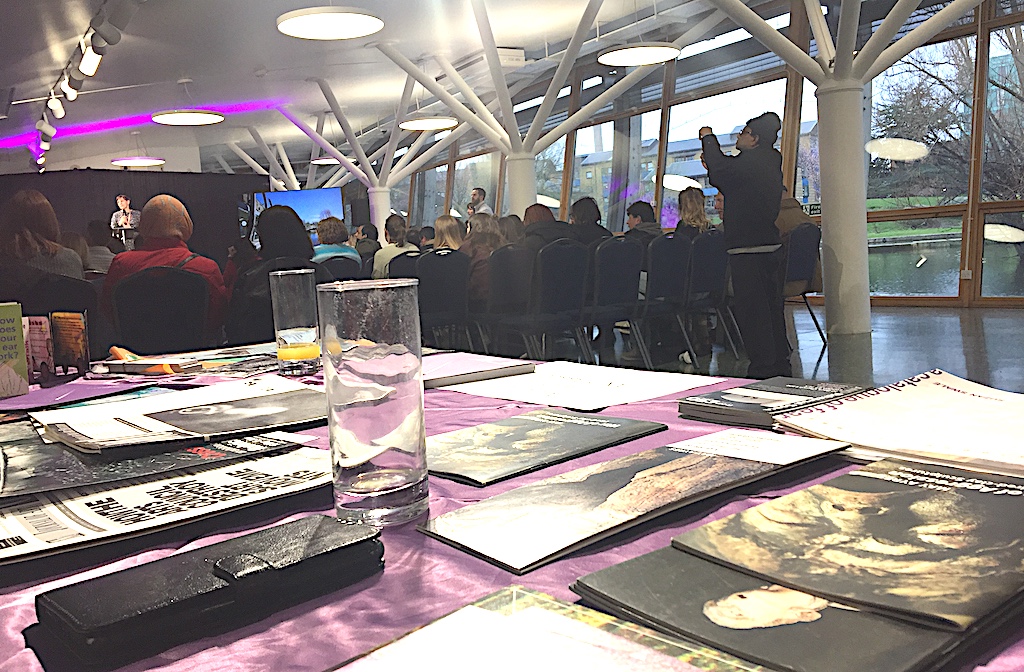
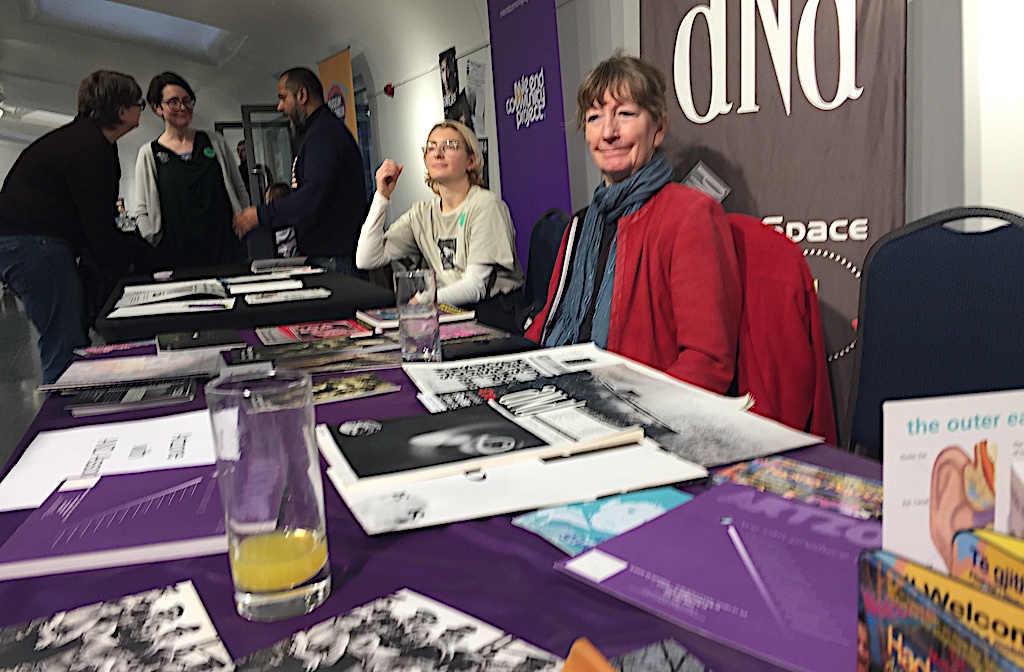
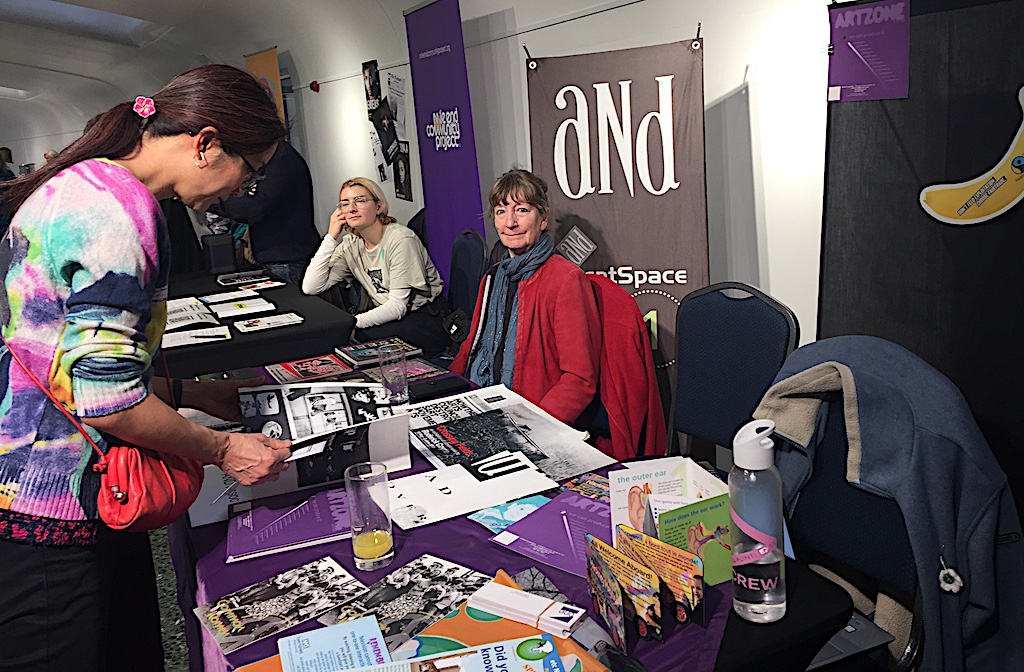
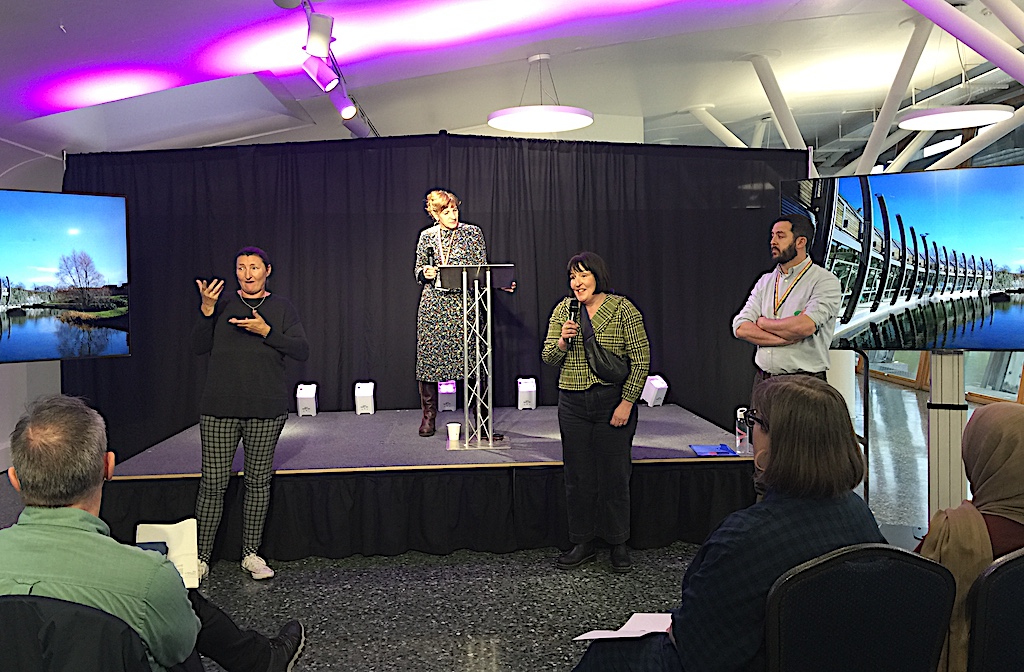
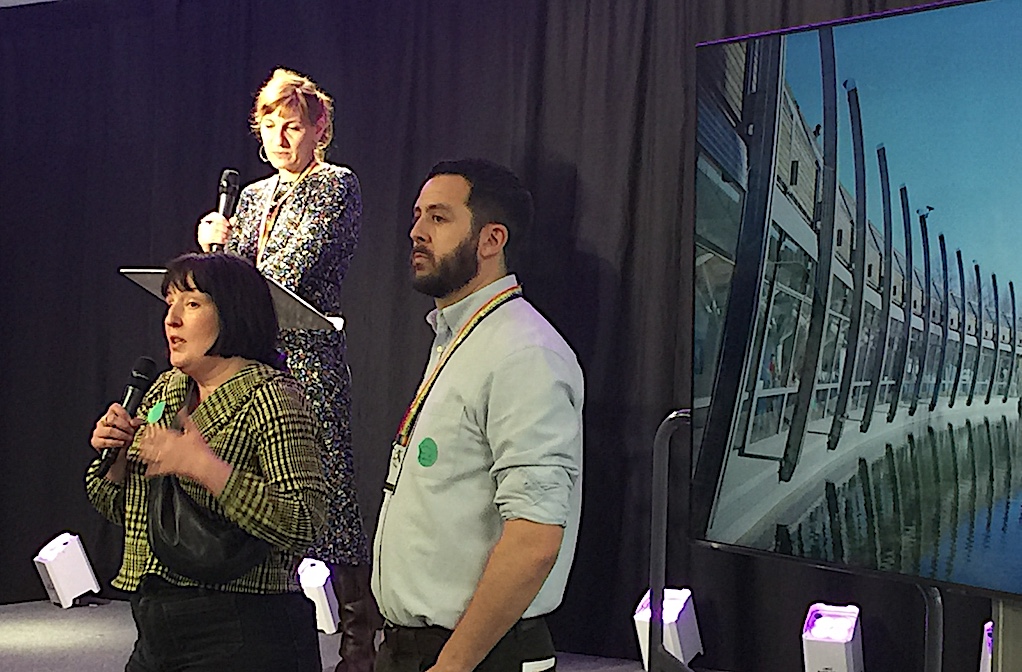
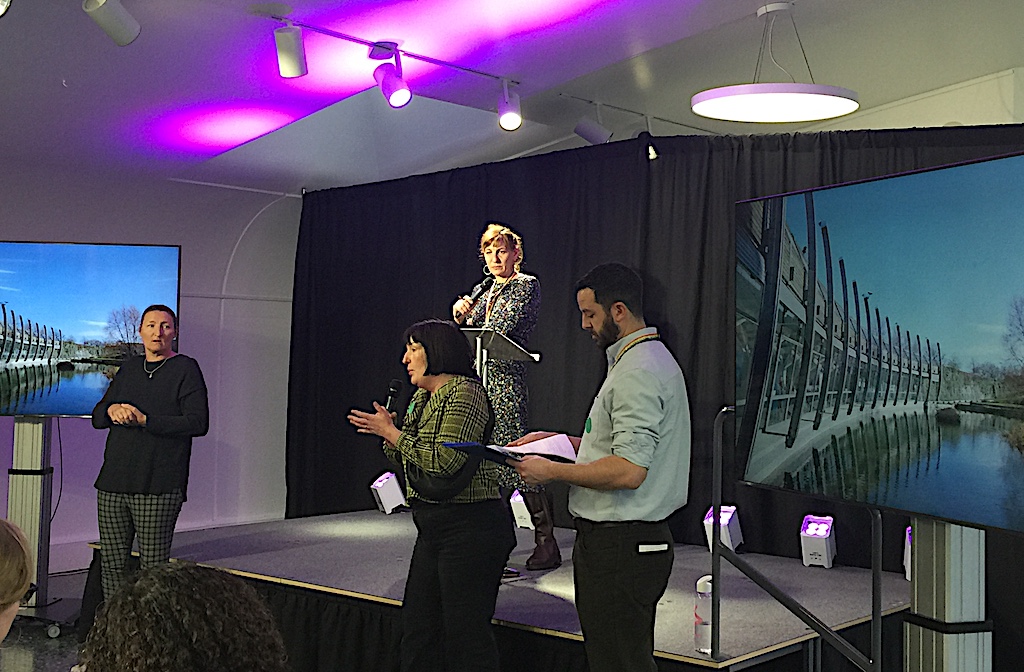
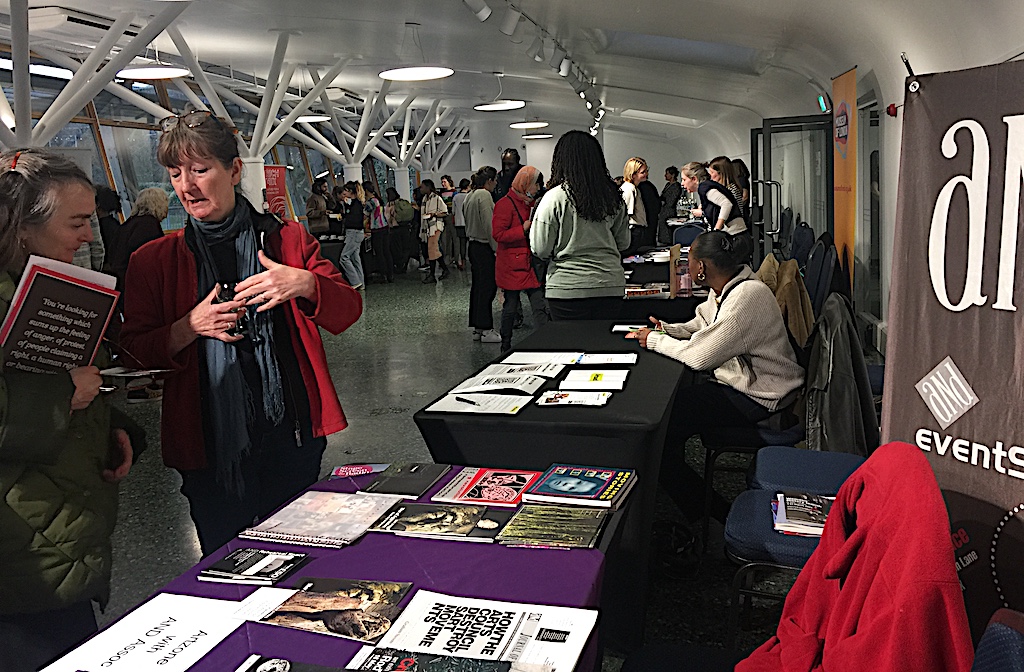
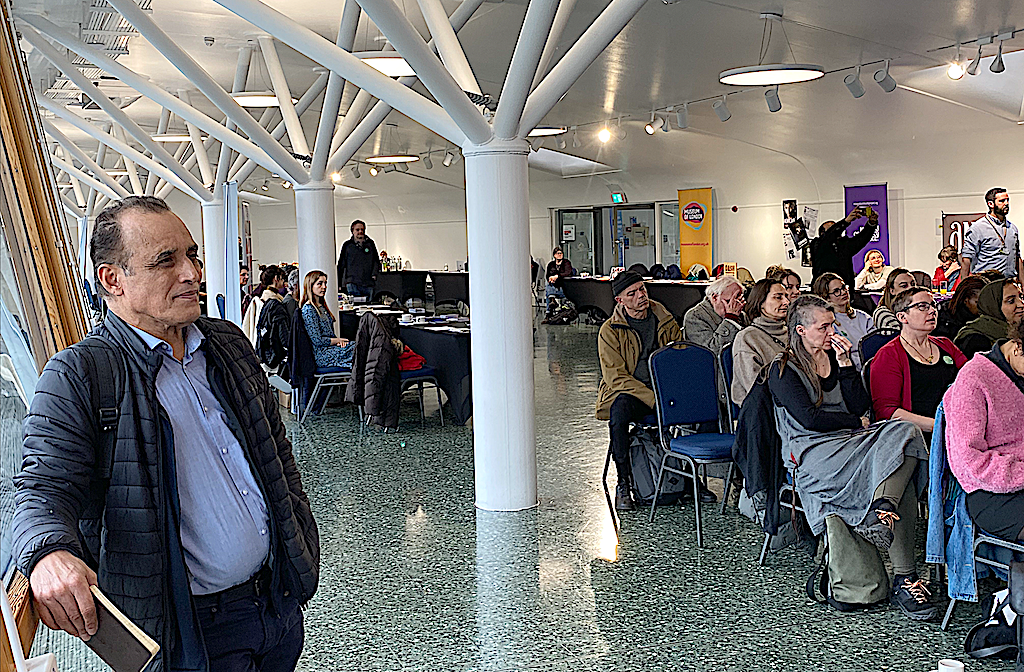
No longer is there a glut of short life public domain properties which artists were able to negotiate short term for living or studio use or abandoned warehouses on the river front for organised groups to establish Artist Studios and Exhibition spaces. However local Arts activities are still encouraged and supported although financial support by local grant funding has dwindled over the years. Following three years of “Covid inspired inactivity” the Borough’s ’A’ Team (Arts department based in the local Brady Centre) re-introduced their “Arts Sharing and Networking’ event bringing arts organisations and individuals together under the roof of the Arts Pavilion in Mile End Park. The events programme included a “market place” of tables lining the gallery space where arts organisations could display information about their activities and chat with visitors, and listen to a platform of speakers from arts organisations based in the borough. Tower Hamlets council’s Cabinet Lead Member for Culture, Cllr Iqbal Hossain opened the event and spoke positively about the creative potential of the borough and of the council’s arts policy for the coming years. The line up of speakers were Catherine Ritman-Smith, from Young V&A museum – which is in the process of transformation from its historical role as the ‘Museum of Childhood’ to a museum which extends it’s remit to where “children, young people and families can imagine, play and design: Laura Furner, from St Margaret’s House – a long established community centre, based in Bethnal Green, which promotes “positive social change”, has charitable status and boasts being an Arts Council “National Portfolio” organisation*: Husna Parvin a self motivated, individual artist who has lived in the borough since arriving from Bangladesh in 1992; the final speaker was Adam Jeanes, from the Arts Council of England.
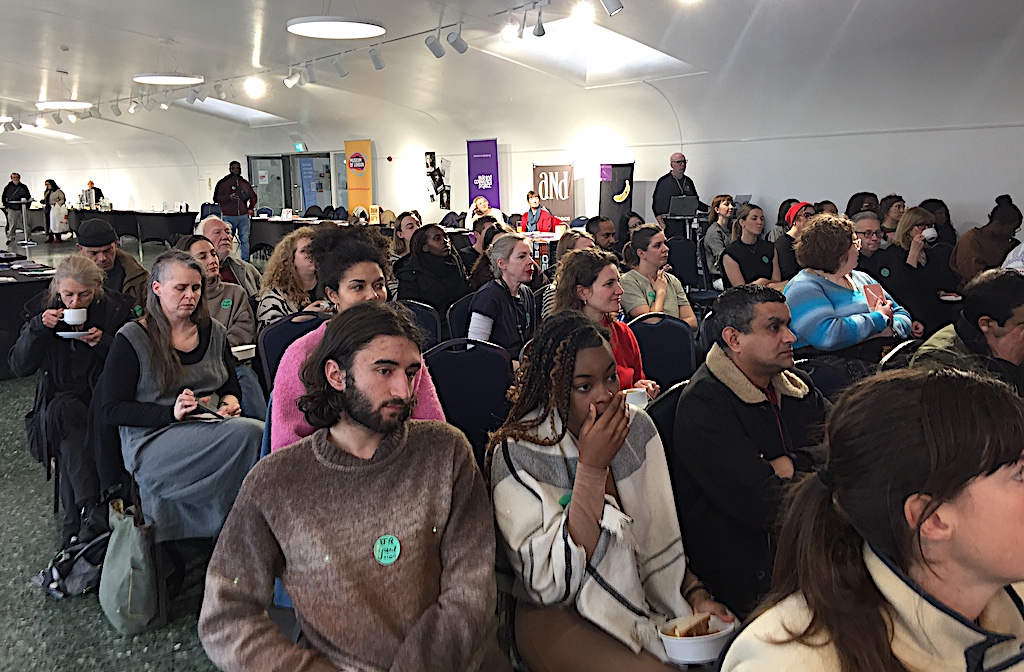
The audience was a mix of individual practitioners and people curious about what the local authority can offer to the arts. The main interest seemed to be which grant funding programmes were still available from the Arts Council of England. Adam Jeanes, currently Senior Relationship Manager, Music at the ACE, who has had a long career in arts (music) administration at the British Council and within the ‘Festival Industry’ presented the current state of play of grant funding provided by ACE. Of course every presentation by government bodies, such as the ACE, is prefaced with comment on constant reductions in funding (in real terms) against increasing demands from artists and organisations. Presentations have a habit of predicting the low level of success of applications whilst sowing the seeds of optimism. In recent years, Local Authorities funding programmes have been severely cut as central government has reduced its financial support (for various reasons) and in recent years the Arts Councils’ revised funding structures and adoption of corporate criteria merely deters new generations of applicants (artists) and protects their established stable of reliable/safe/predictable “arts” providers. It’s worth looking at the level of ‘double’ funding which occurred during the disturbing three years of the Covid Pandemic and note (from submitted accounts) how long some recipients continue to receive what is “deficit funding” whilst maintaining substantial reserves.
Where to next?
It’s worth considering that the majority of creative output (in this country) has been from the private endeavours of individual artists / creative practitioners. Most artists are not publicly funded as artists, do not work on regular commissions and there is no system in the country which provides systems of financial recompense for working as an “Artist” or “Author”. Without any means or investment into the daily lives of artist producers the quality and integrity of art work is eroded. Given this it is unacceptable for governments to claim all the (generously provided) creative output of artists which occurs in the UK as theirs for the purpose of selling the country out to corporate developers, or for “attracting tourism” or “lucrative business opportunities” without equal return.
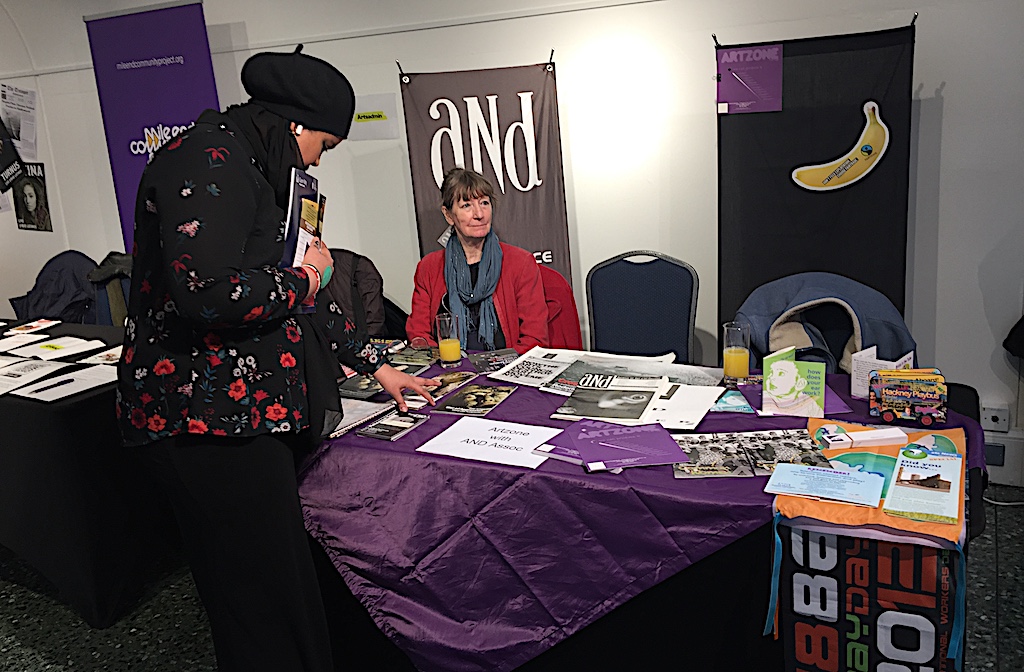
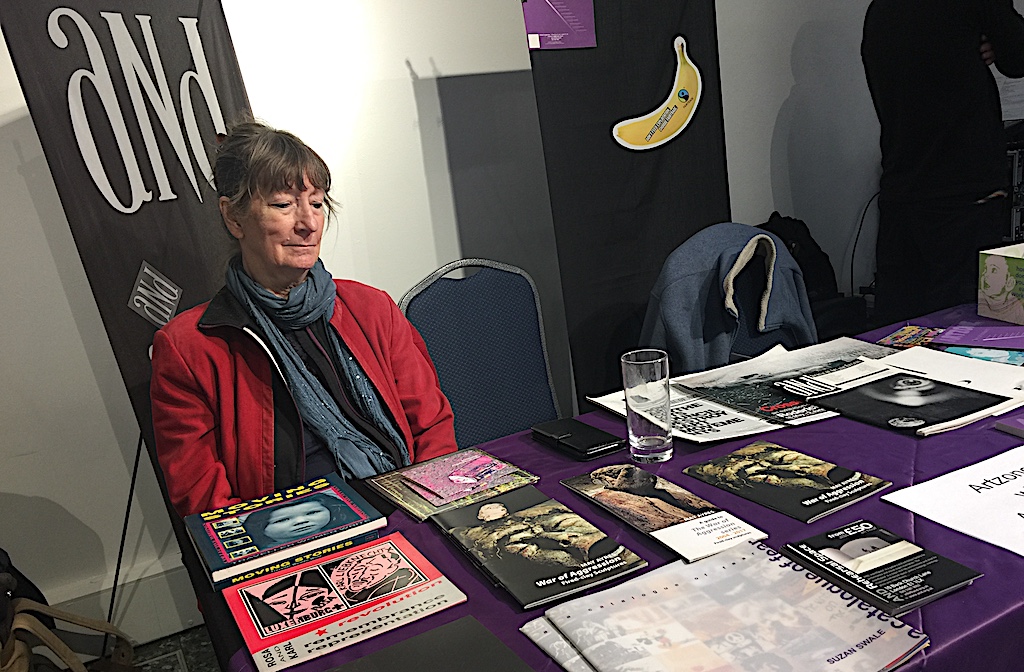
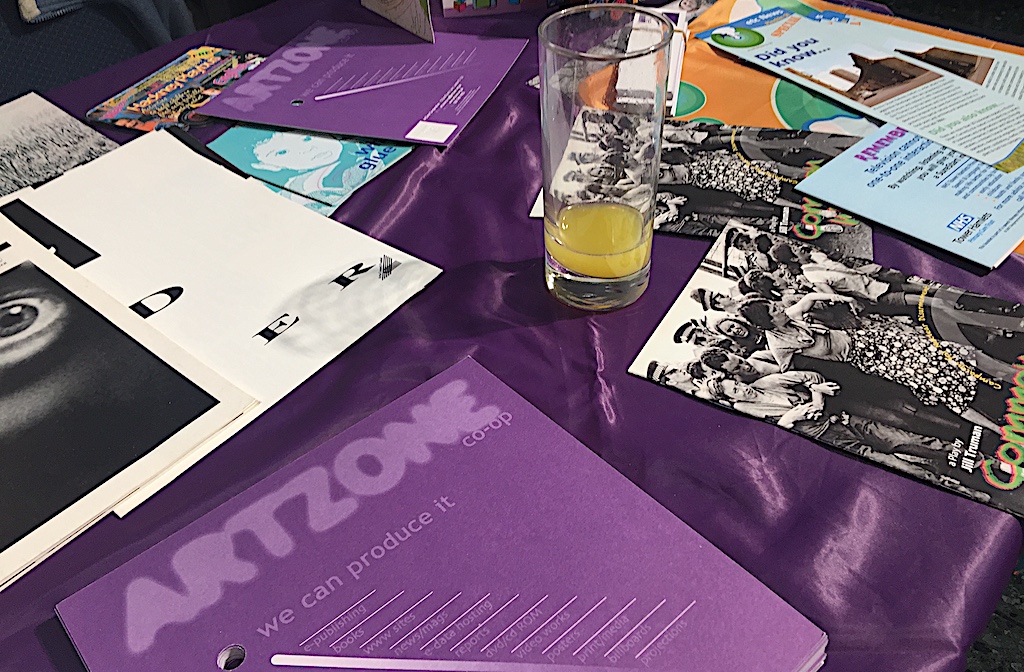
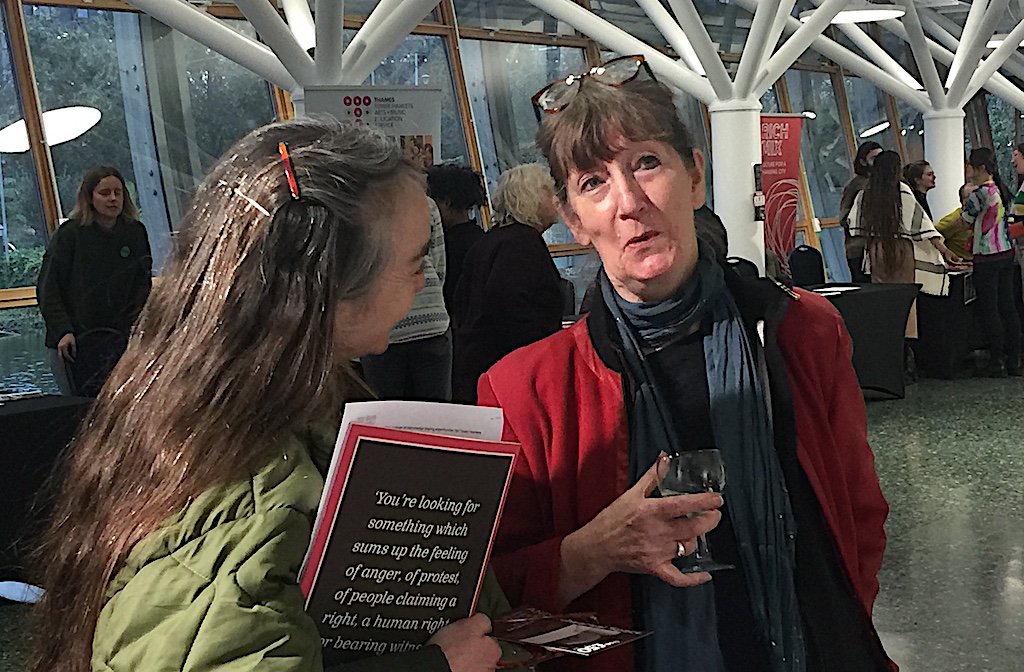
In the other ‘market place’ at Tower Hamlets Art Sharing Event the “promotional tables” provided an opportunity for arts providers to get re-acquainted with each other. There were a couple of new arts ventures but most displays were presented by a core group of tenacious grass roots organisations each having lengthy histories of arts provision in the borough: AND, ArtZone, Chisenhale (Studios) Art Place, Four Corners, Half Moon Theatre, Toynbee Studios and Rich Mix…
Although such events cannot claim to resolve all the problems cultural industries are facing the Arts Sharing and Networking event is a small useful way to keep in touch with local arts and cultural organisations, and get to know something of the local authority’s programme for arts provision. But it is severely limited…
For a borough, such as Tower Hamlets, which has thousands of artists and a vast range of arts organisations across multiple disciplines the issues and problems within the cultural industries will not be impacted by a gathering of 22 arts groups, a handful of speakers, and a small audience of people wanting answers. But it is a small point from which to draw a line to somewhere.